

 Feed back
 Privacy Policy
The American education system faces unprecedented challenges in balancing accessibility, engagement and academic rigor. Traditional classroom settings struggle with scalability, while fully online programs often lack meaningful interaction. Hybrid learning platforms that combine online courses and platforms hybrid live-recorded formats are emerging as the optimal solution, offering the flexibility of asynchronous content with the engagement of real-time instruction through advanced synchronous learning tools. This evolution in blended education models is transforming how institutions deliver knowledge across all levels of the US education system.

Prestigious institutions like Harvard University and Stanford have pioneered innovative applications of online courses and platforms hybrid live-recorded formats. Harvard's CS50 computer science course demonstrates the power of this approach, combining pre-recorded lectures with live coding sessions and interactive office hours via Zoom. Stanford's hybrid medical education program similarly blends recorded anatomy modules with live virtual dissection labs, achieving 92%student satisfaction according to their 2023 internal survey.
NCES data reveals stunning growth in hybrid education adoption:
This data underscores how blended education models are becoming institutional standards rather than temporary solutions.
Modern synchronous learning tools like Zoom, Microsoft Teams, and specialized platforms like Mentimeter are revolutionizing classroom dynamics. UC Berkeley's 2022 study documented a 28% increase in participation when combining:
These interactive elements transform passive viewing into active learning experiences within online courses and platforms hybrid live-recorded formats.
The American Institutes for Research's comprehensive 2021-2023 study of 15,000 students found:
These outcomes demonstrate how blended education models combine the best aspects of different learning modalities.
Leading platforms like Canvas with Kaltura integration demonstrate how modern learning management systems handle both live and recorded content seamlessly. Key features include:
While hybrid platforms offer tremendous benefits, institutions face several implementation challenges:
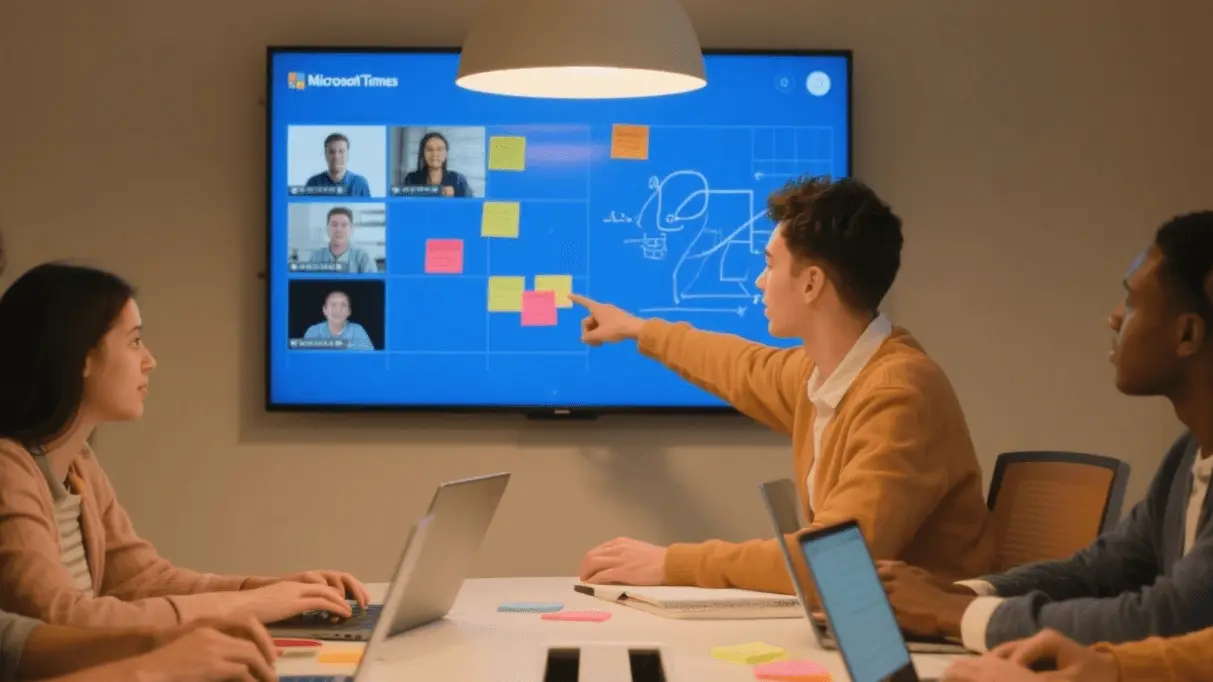
While often used interchangeably, hybrid learning specifically refers to combining synchronous and asynchronous elements, whereas blended learning more broadly mixes online and in-person components.
Quality synchronous learning tools actually increase meaningful interactions through scheduled office hours, live discussions, and real-time feedback mechanisms unavailable in traditional large lectures.
When properly implemented with closed captioning, screen reader compatibility, and adjustable interfaces, online courses and platforms hybrid live-recorded formats can be more accessible than traditional classrooms.
The future of US education lies in flexible, technology-enhanced learning models that maintain academic rigor while meeting diverse student needs. As blended education models continue evolving, they promise to deliver more personalized, accessible, and effective learning experiences for all students.
Disclaimer: The hybrid learning platform information provided serves educational purposes only and does not constitute professional advice. Consult qualified education technology specialists for implementation guidance. The author assumes no liability for decisions made based on this content.
Jessica Thompson
|
2025.08.07
